Billi Media
Why Zero Ventilation Underbench Water Systems Save Trades Time and Labour
Commercial kitchen fit-outs and workplace breakroom refurbishments operate under tight construction schedules where trade coordination impacts project delivery. Installing traditional underbench drinking water systems can introduce on-site friction between plumbers, electricians, and joinery contractors. Traditional air-cooled units require custom cabinet cutouts, door grilles, or floor vents to exhaust warm air, introducing extra labour steps and potential project delays.
Water-cooled heat exchange technology eliminates the need for cupboard ventilation. By removing cabinet modification requirements and incorporating self-commissioning functionality, zero-ventilation underbench water systems streamline on-site installation, reduce labour hours, and lower overall fit-out costs.
On Site Challenges with Traditional Commercial Water Dispensers
Installing conventional air-cooled boiling and chilled water dispensers presents logistical challenges for commercial contractors. Air-cooled systems rely on internal fans to blow heat away from the refrigeration compressor into the surrounding cabinetry. Without adequate air circulation, heat accumulates rapidly inside the cupboard, impairing chilling performance and risking thermal safety shutdowns.
To prevent overheating, manufacturers of air-cooled systems mandate specific ventilation grilles or cabinet cutouts. Meeting these requirements requires trade coordination. Plumbers and mechanical installers must coordinate with cabinetmakers to ensure door grilles or cabinet base cutouts are measured and executed correctly before or during unit installation. If joinery arrives on site without pre-cut vents, trades must perform manual cutouts, increasing installation time, adding tool setup requirements, and risking damage to finished cabinet panels.
When ventilation cutouts are executed incorrectly, or when end users inadvertently block grilles with stored items, internal cabinet temperatures rise. This leads to increased energy consumption, premature component wear, and costly service call-backs that consume trade resources.
How Water Cooled Technology Eliminates Cupboard Ventilation Cutouts
Billi eliminates cabinet ventilation requirements through proprietary water-cooled heat exchange technology. Instead of relying on cooling fans to dissipate heat into cabinet air, water-cooled systems use incoming water to cool the chilling system efficiently. Water conducts heat more effectively than air, allowing the unit to maintain optimal operating temperatures without expelling hot air into the joinery.
This closed-loop process incorporates energy reclaim technology. Waste heat generated during the chilling cycle is captured and repurposed to pre-heat incoming water destined for the boiling tank. This dual-action mechanism provides significant technical and practical advantages for commercial installations:
- Zero Cabinet Ventilation Required: Operates safely inside fully enclosed cabinetry without door grilles, floor cutouts, or external cooling fans.
- Energy Efficiency: Pre-heating boiling water using reclaimed chilling heat substantially reduces electrical consumption.
- Silent Operation: Eliminating high-speed cabinet exhaust fans creates a quieter environment in office tea points and boardrooms.
- Lower Ambient Cabinet Temperatures: Keeps underbench cupboards cool, protecting surrounding joinery materials and adjacent stored goods.
By removing the requirement for ventilation grilles, plumbers can complete underbench installations in a single visit without waiting for joinery modifications or coordinating additional trades on site.

Space Saving Underbench Footprints and Cabinet Clearance
Space constraints under commercial benches demand compact appliances that leave room for drainage traps, filtration manifolds, and storage. Billi water-cooled systems feature the smallest underbench footprints available on the market, requiring up to 60% less cabinet space than comparable air-cooled alternatives.
Models across the Quadra & Eco, OmniOne, and Sahara commercial series are engineered for spatial efficiency. For instance, compact modules allow flexible positioning under standard-depth benchtops while accommodating necessary plumbing connections and tube routing without kinking.
Installing zero-ventilation underbench units offers clear trade advantages during spatial layout:
- Simplified Cabinet Layout: Clear dimensional footprints allow straightforward placement without needing air-clearance buffers around ventilation fans.
- Flexible Tube Routing: High-grade flexible connections allow simple connection to above-bench dispensers, fonts, or mixer taps.
- Splash-Free Delivery: Integrated electronic flow control varies water delivery speed momentarily to prevent splashing when boiling water first enters a cup.
- Integrated Heat Exchange: Eliminates bulky external heat sinks or secondary cooling units under the bench.
Maximising usable underbench volume provides facility managers with valuable storage space while simplifying mechanical installation for the plumbing contractor.
Simplified Self Commissioning and WaterMark Compliance
Rapid, error-free commissioning is essential for completing commercial building handovers on schedule. Modern underbench water systems incorporate automated self-commissioning electronics that streamline setup once water and power connections are established.
Upon initial power-up, the system automatically detects water inlet pressure, fills internal reservoirs, and calibrates boiling and chilling temperature setpoints without requiring manual valve adjustments. This automated routine reduces installation time and eliminates guesswork for site plumbers.
Compliance with national building standards is documented across our product range. Billi commercial drinking water systems are manufactured in Melbourne, Australia, under strict quality management frameworks and carry complete regulatory certifications:
- WaterMark Certification: Tested and certified under WaterMark license numbers WM-21525 for Quadra, Eco, and Sahara series, and WM-21882 for Alpine and Filter Tap ranges in accordance with AS/NZS 3498 and ATS 5200:105.
- Food Safety Accreditation: Certified under HACCP PE-972-WAT-1-02 for hygienic use in commercial food preparation and corporate dining spaces.
- Environmental & Wellness Alignment: Global GreenTag certified and supported by Cornerstone Membership in the International WELL Building Institute (IWBI).
Standardised compliance documentation and automated self-commissioning ensure that installation sign-off proceeds smoothly without compliance queries or technical delays.
Streamlining Commercial Handovers
Zero-ventilation underbench water systems transform commercial hydration installations by removing trade dependencies and simplifying site workflows. Eliminating cabinet grilles saves joinery labour, protects cabinetry aesthetics, and prevents heat-induced call-backs, while water-cooled heat exchange technology delivers superior energy efficiency and whisper-quiet performance.
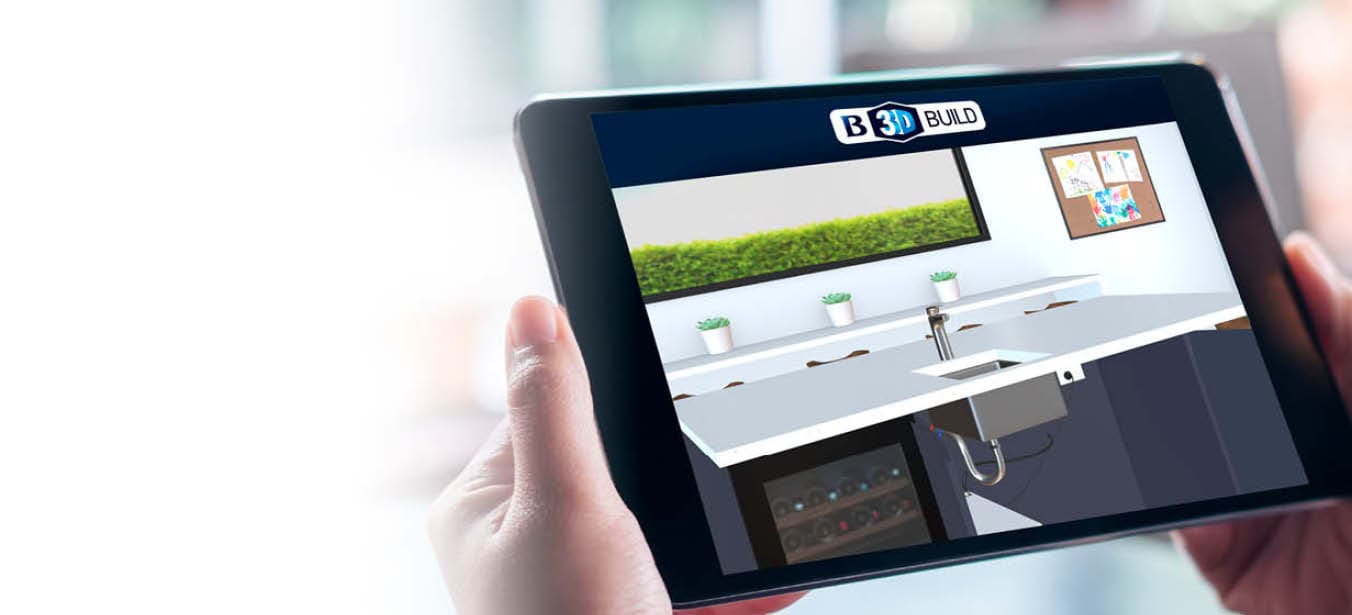
Plumbers, builders, and specifiers can access complete technical drawings and customised specification sheets through the Billi SPEC Generator or explore interactive installation layouts on the Billi 3D Build portal.
For technical assistance and project support, contact the Billi NZ team.